
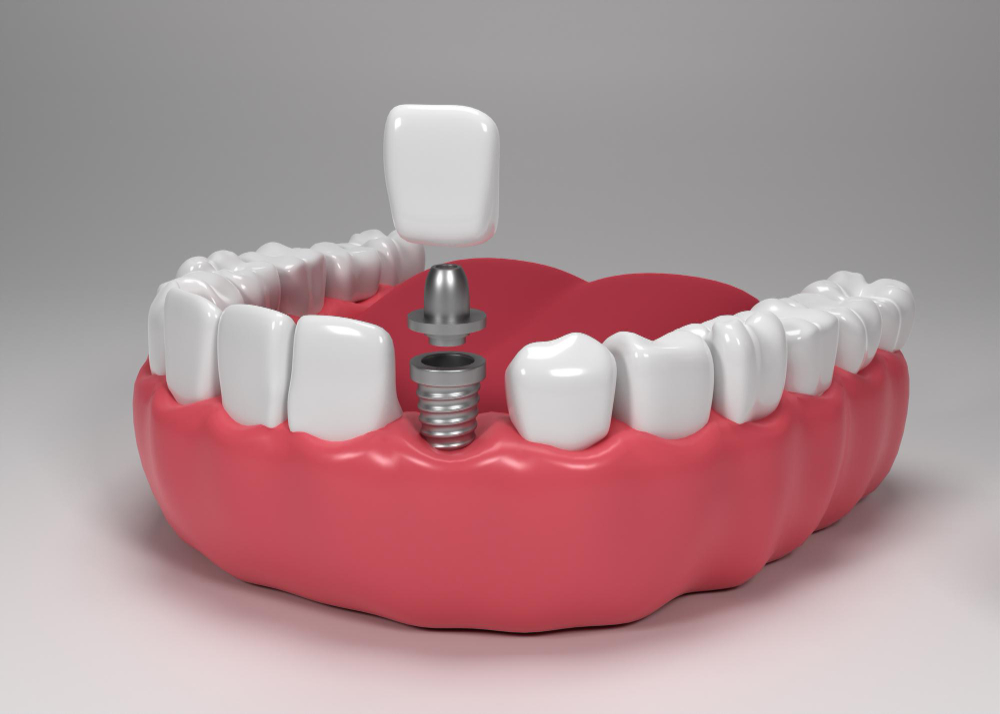
Dental implants are a popular way to replace missing teeth. They look and feel like natural teeth. Many people choose dental implants because they last long and help with chewing and speaking. If you have lost a tooth, dental implants may be a good option. This guide explains what dental implants are, their benefits, the dental implant procedure, aftercare, and possible risks. You will also find answers to common questions about dental implants.
What Are Dental Implants?
Dental implants are small metal posts. Dentists place them in your jawbone to act as roots for new teeth. Usually, these posts are made of titanium. After the implant is placed, a crown (artificial tooth) is attached. This crown matches your other teeth in color and shape. Because of this, dental implants look very natural. They also help keep your jawbone healthy by giving it support. According to the American Dental Association, dental implants are safe and effective for most adults.
Benefits of Dental Implants
Dental implants offer many advantages over other tooth replacement options. For example, they are strong and stable. Here are some key benefits:
Because of these benefits, many people prefer dental implants over bridges or dentures.
Who Is a Good Candidate?
Not everyone can get dental implants. However, many adults are good candidates. You may be a good candidate if you:
Still, your dentist will check your mouth and health history. Sometimes, bone grafting is needed if your jawbone is too thin. Always talk to your dentist to see if dental implants are right for you.
The Dental Implant Procedure (Step-by-Step)
The dental implant procedure takes several steps. It may take a few months from start to finish. Here is what you can expect:
Because each person is different, your dentist will explain your own treatment plan.
Aftercare and Recovery Tips
Proper aftercare is important for dental implant success. Here are some tips to help you recover:
With good care, dental implants can last many years. If you notice pain or swelling, contact your dentist right away.
Risks and Possible Complications
Dental implants are safe for most people. However, like any surgery, there are some risks. For example, you may have:
Most problems are rare and can be treated. According to the CDC, following your dentist’s advice lowers your risk of complications. Always let your dentist know if you have any health changes.
Frequently Asked Questions
In summary, dental implants are a strong and natural-looking way to replace missing teeth. They offer many benefits and can last for years with proper care. Consult a qualified dentist at Aishwarya Digital Dental Clinic to find out if dental implants are right for you.